
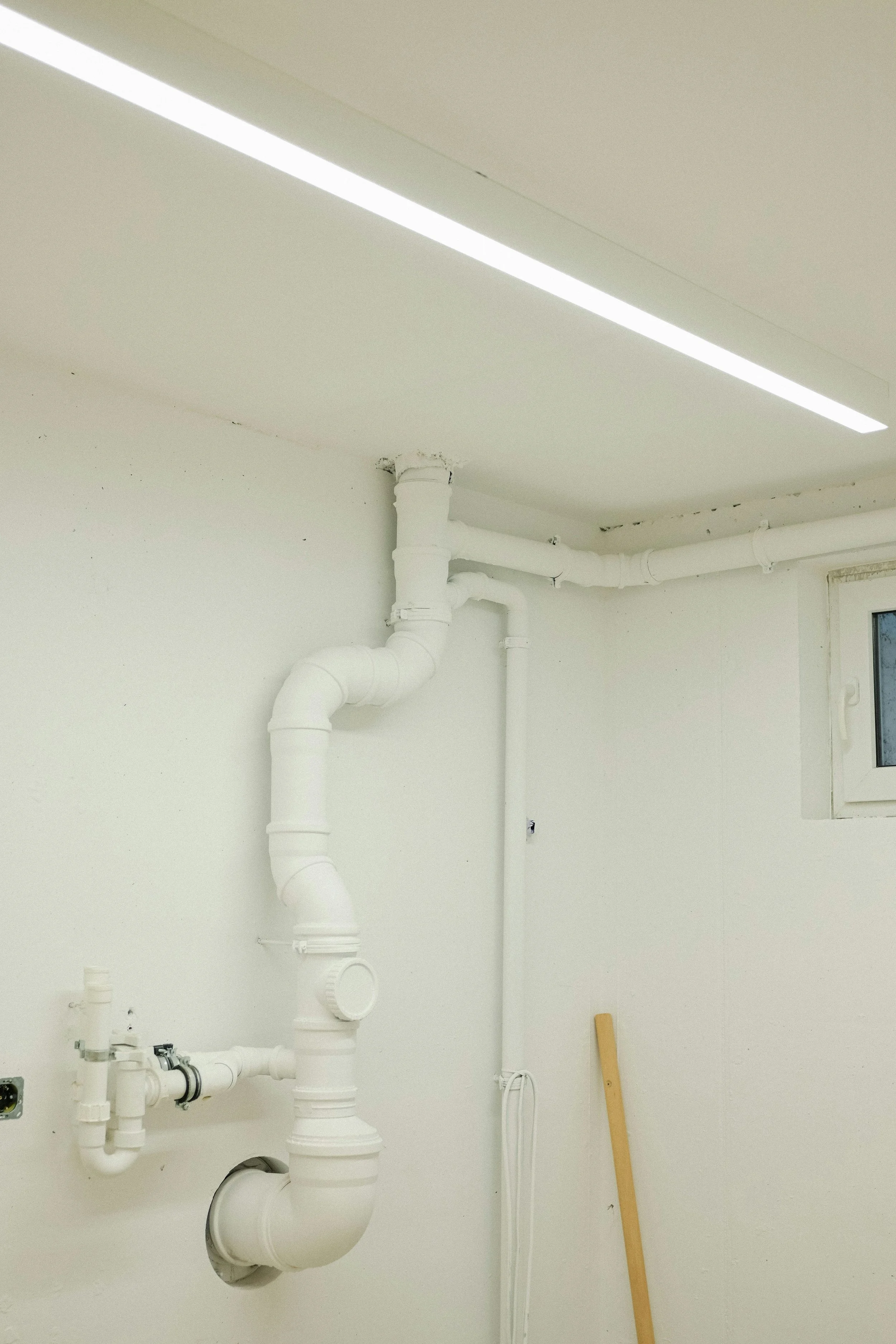
In Florida, homeowners insurance law treats plumbing leaks based on how and why the water damage occurred, rather than simply the fact that pipes leaked. Standard policies generally cover “sudden and accidental” events — for example, a pipe that bursts without warning or an appliance hose that suddenly fails — so long as the loss isn’t excluded by specific language in the policy. In those situations, the insurer will typically pay for resulting water damage to the home’s structure (like walls, floors, and ceilings) and sometimes contents, but not for the actual plumbing parts that failed.
Florida insurance laws and common policy language exclude coverage for gradual, maintenance-related leaks over time because those are considered homeowner responsibilities. If damage results from slow seepage, wear and tear, neglect, corrosion, or failure to make repairs, insurers can lawfully deny coverage. Similarly, damage from external flooding or sewer backups usually isn’t covered unless you buy specific endorsements such as flood insurance or a sewer backup rider.
Statutes and regulatory rules in Florida, such as requirements for timely claim handling and available bad-faith remedies, play a significant role in how insurance disputes are resolved. Insurers are required to respond to claims within specified time frames, and policyholders have the right to pursue legal remedies if a claim is unfairly denied or mishandled. Attorney Eliot Dempsey and the Dempsey Law Firm assist clients in navigating these complex rules, ensuring that policyholders understand their rights and can take appropriate action when disputes arise.
Given Florida’s climate, unique housing stock, and legal environment, water damage disputes are common. For this reason, reading your insurance policy carefully and understanding any endorsements you have is essential. Endorsements can expand coverage for issues such as hidden leaks or water backup—risks that standard policies may not fully address. The Dempsey Law Firm can guide policyholders in reviewing their policies, interpreting endorsements, and advocating for full and fair recovery when damage occurs.