

The most common used car disputes in Florida involve dealers misrepresenting the vehicle’s history or condition, charging undisclosed or excessive fees, problems with title and paperwork, odometer fraud, and misleading information about warranties or financing.
Florida Statute 501.98
If you have a complaint against a car dealership in Florida, there are certain steps you must follow in order to give the dealership an opportunity to address your concerns and resolve the dispute amicably.
Sending a written demand letter is a legal requirement that must be satisfied before a lawsuit may be filed. Under Florida Statute § 501.98(3), the demand letter must be sent by certified mail, return receipt requested, to the address where the vehicle was purchased or leased. This requirement ensures proof of delivery and gives the dealership formal notice of the dispute.
The demand letter must clearly describe the issue, including specific details that allow the dealership to understand the nature of the complaint. Supporting documentation should be attached, such as the purchase contract, repair orders, invoices, or any records that identify the problems with the vehicle. Providing thorough documentation strengthens the claim and demonstrates good-faith efforts to resolve the matter.
In addition, the letter must specify the relief being requested. Under Florida law, damages are generally limited to the difference in value between what was represented or advertised and what was actually delivered, commonly referred to as diminished value. However, if the vehicle is deemed valueless due to the misrepresentation, damages may equal the full purchase price of the vehicle.
The dealership must be given a minimum of 30 days from the date it receives the demand letter to respond. This response period is required by law and allows the dealership an opportunity to resolve the dispute without the need for litigation.
Anyone considering legal action against a car dealership must comply with the requirements of Florida Statute § 501.98. Proper notice and adherence to the statute are essential before proceeding with a lawsuit.
Consumers should document everything related to the transaction, including advertisements, emails, contracts, and all written communications. These records may be critical in proving claims involving misrepresentation or unfair trade practices.
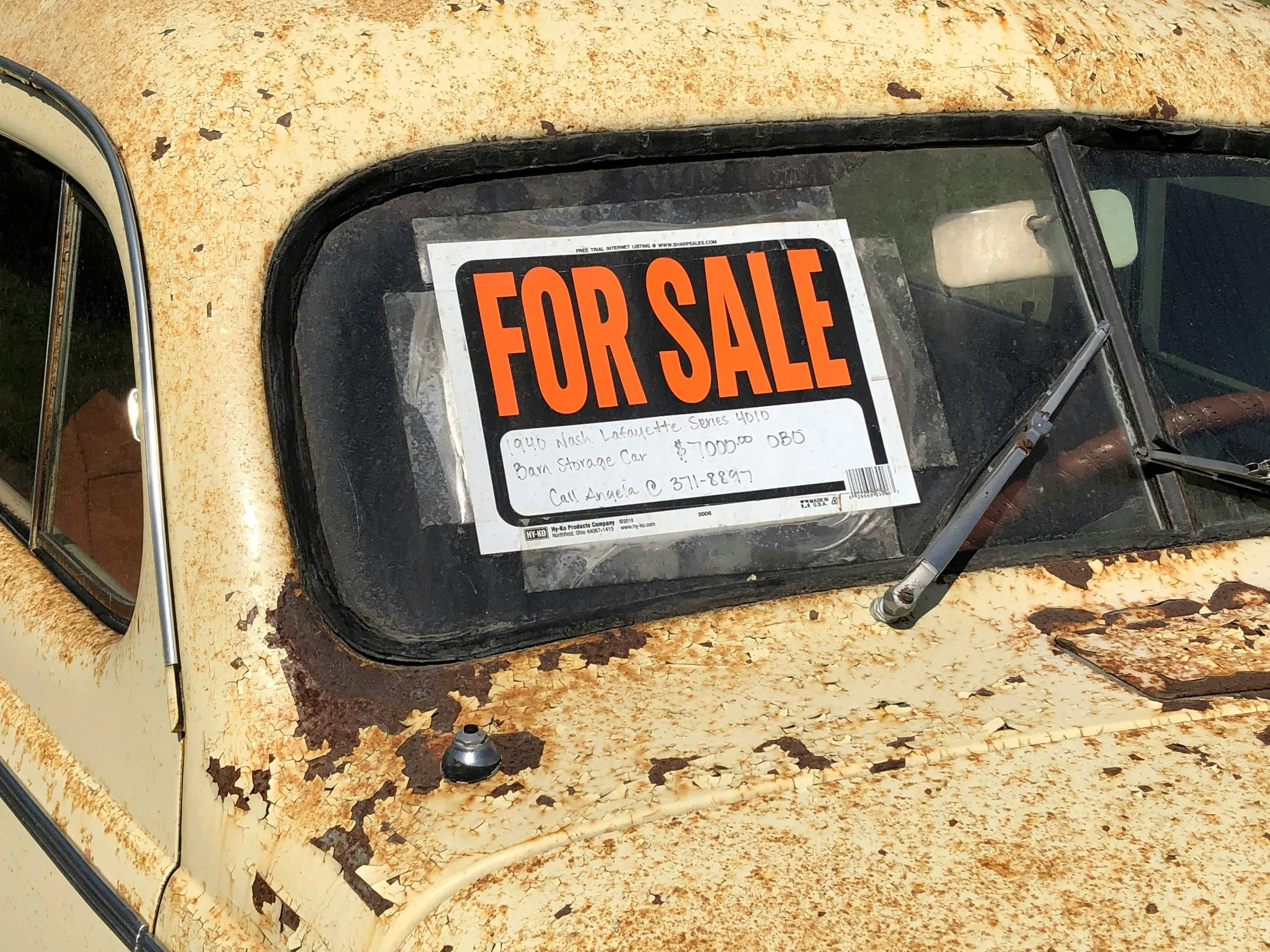
Misrepresentation and undisclosed defects are common causes of disputes. Dealerships may be held liable for concealing issues such as prior accidents, flood damage, or serious mechanical problems. Private sellers may also be sued if they knowingly misrepresented the condition of the vehicle, although many private sales are conducted “as-is” and require proof of false statements.
Odometer fraud is another serious violation and includes any tampering intended to reflect less mileage than the vehicle has actually traveled.
Breach of warranty claims may arise when a vehicle fails to meet the terms of a written or implied warranty, including disputes over coverage and available remedies.
Financing and contract disputes frequently involve hidden fees, inaccurate financing terms, or high-pressure sales tactics used to sell add-on products such as extended warranties or GAP insurance. Some dealerships have also faced legal action for running credit checks without the buyer’s consent.
Title and registration issues can also lead to disputes, particularly when a dealer fails to properly transfer title or complete the registration process in a timely manner.
Consumers should know the law and understand that they have rights. If you believe you are the victim of unethical or dishonest trade practices, take action and do not remain silent. Florida consumer protection laws, including the Florida Deceptive and Unfair Trade Practices Act (FDUTPA), may provide remedies for misleading or fraudulent conduct.
Taking prompt and informed action can help bring closure to what is often a stressful and frustrating experience. Attorney Eliot Dempsey and The Dempsey Law Firm are committed to helping consumers understand their rights, evaluate their legal options, and pursue the relief necessary to resolve disputes efficiently and effectively.
Frequently Asked Questions — Used Car Disputes
What legal recourse do I have if a Florida used car dealer lied to me?
If a used car dealer in Florida misrepresented the condition of a vehicle, concealed prior accidents or damage, failed to disclose material defects, or rolled back the odometer, you may have claims under the Florida Deceptive and Unfair Trade Practices Act (FDUTPA), common law fraud, and fraudulent misrepresentation. Available remedies may include rescission of the sale, actual damages, and attorney's fees.
Is a Florida used car dealer required to disclose prior accidents or damage?
Florida dealers are required to disclose known material defects and prior damage that affects the vehicle's value or safety. Failure to disclose known material information that a reasonable buyer would consider important can constitute fraud or a FDUTPA violation. Running a vehicle history report (like Carfax) and having an independent mechanic inspect a used vehicle before purchase are important protective steps.
What is an "as-is" sale and does it protect a Florida dealer from all liability?
Many used car sales in Florida are made "as-is," which means the buyer accepts the vehicle in its current condition. While an as-is sale disclaims implied warranties, it does not protect a dealer who actively concealed defects, made affirmative misrepresentations about the vehicle's condition, or committed fraud. An as-is clause is not a blanket immunity for deceptive sales practices.
What can I do if a dealer sold me a car with a prior salvage or rebuilt title without disclosing it?
This is a serious dealer violation. Florida law requires dealers to disclose salvage, rebuilt, or flood titles. Selling a vehicle with an undisclosed salvage or rebuilt title violates FDUTPA, Florida's motor vehicle licensing requirements, and may constitute fraud. Remedies can include rescission of the sale, full refund, damages, and attorney's fees. Report the dealer to the Florida Department of Highway Safety and Motor Vehicles (DHSMV).
How long do I have to sue a Florida used car dealer?
The statute of limitations depends on the specific claim. FDUTPA claims must be filed within four years. Fraud claims have a four-year limitations period beginning when the fraud was discovered. Common law contract claims have a five-year limitations period for written contracts. Contact an attorney promptly after discovering a misrepresentation to preserve all available claims.