

whEN YOUR HOME HAS BEEN DAMAGED, THE HOMEOWNER’S INSURANCE CLAIM PROCESS IN FLORIDA CAN BE DIFFICULT TO NAVIGATE. THE DEMPSEY LAW FIRM REPRESENTS HOMEOWNERS THROUGHOUT FLORIDA WHO HAVE HAD THEIR CLAIMS DENIED OR UNDERPAID.
Florida homeowners face some of the most complex and contentious property insurance disputes in the country. Between hurricane season, relentless rain, aging roofs, and an insurance industry that fights every claim, getting what you're owed can feel impossible. The Dempsey Law Firm represents Florida homeowners and commercial property owners in first-party insurance disputes — standing up to insurance companies that deny, delay, or underpay legitimate claims.
When Your Insurance Company Won't Pay
You've paid your premiums for years. Now that you have a real claim, your insurer is denying it, offering far less than the damage is worth, or simply going silent. This is unfortunately common in Florida, where property insurance bad faith practices are well-documented. Attorney Eliot Dempsey knows how insurance companies operate — and how to fight back.
The Dempsey Law Firm handles property damage claims including:
• Hurricane and Wind Damage — Disputed wind vs. flood coverage, undervalued storm damage
• Roof Leaks and Water Intrusion — Whether from storms, faulty installation, or aging materials
• Plumbing Leaks and Mold — Sudden and accidental discharge coverage disputes
• Residential Property Insurance Claims — All types of homeowner policy disputes
• Commercial Property Insurance Claims — Business property, loss of income, and tenant disputes
Florida Property Insurance Law
Florida law gives insurance companies specific deadlines: they must acknowledge your claim within 14 days and pay or deny it within 90 days of receiving a complete proof of loss (Fla. Stat. §627.70131). Insurers that miss these deadlines or engage in bad faith practices — such as making low offers without reasonable support — can be held liable for additional damages under Florida Statute §624.155.
Before you can file a bad faith lawsuit, you must file a Civil Remedy Notice (CRN) with the Florida Department of Financial Services, giving the insurer 60 days to cure the violation. Attorney Dempsey has extensive experience navigating this process.
Should I Use a Public Adjuster or an Attorney?
A public adjuster can be useful for estimating and documenting damage — but they cannot provide legal advice or file a lawsuit. If your insurance company has denied your claim, disputed the cause of loss, or offered an unreasonably low settlement, you need an attorney. The Dempsey Law Firm can take legal action that a public adjuster simply cannot.
Serving Miami-Dade, Broward, Palm Beach and Beyond
Our firm represents property owners throughout Florida, including Miami, Fort Lauderdale, Boca Raton, West Palm Beach, Tampa, and across the state. Contact us today for a free case review — there is no fee unless we recover on your behalf. Call (305) 320-1141.
FAQ SECTION - PROPERTY DAMAGE & HOMEOWNER’S INSURANCE
What can I do if my Florida homeowners insurance claim was denied?
If your homeowners insurance claim has been denied in Florida, you have several options. First, request a written explanation of the denial from your insurer — Florida law requires insurers to provide one. You can invoke your policy's appraisal process to challenge the insurer's valuation, or file a complaint with the Florida Department of Financial Services. If those steps fail, you may have grounds to file a lawsuit for breach of contract or, in cases of bad faith, for bad faith insurance practices under Florida Statute §624.155. An experienced property insurance attorney can review your denial letter and policy to determine the best course of action.
How long does my insurance company have to pay or deny my claim in Florida?
Under Florida law (Fla. Stat. §627.70131), insurance companies must acknowledge a claim within 14 days, begin an investigation within 14 days, and pay or deny the claim within 90 days of receiving a complete proof of loss. If an insurer fails to meet these deadlines without good cause, it may be liable for interest on the claim amount. Recent legislative changes in Florida have affected bad faith claims, so it's important to consult an attorney if you feel your insurer is dragging its feet.
Does homeowners insurance in Florida cover hurricane damage?
Standard homeowners insurance in Florida typically covers wind damage from hurricanes, but flooding caused by storm surge is generally excluded and requires a separate flood insurance policy through the National Flood Insurance Program (NFIP). Florida policies often include a separate, higher hurricane or windstorm deductible — typically 2–5% of the home's insured value rather than a flat dollar amount. If your insurer is disputing the cause of damage (wind vs. flood) or underpaying your hurricane claim, an attorney can help you challenge that determination.
Can I sue my insurance company for bad faith in Florida?
Yes. Florida allows policyholders to sue their insurance company for bad faith under Florida Statute §624.155 when an insurer fails to act in good faith in settling a claim — for example, by unreasonably denying coverage, delaying payment, or making a lowball settlement offer. Before filing a bad faith lawsuit, you must file a Civil Remedy Notice (CRN) with the Florida Department of Financial Services, giving the insurer 60 days to cure the violation. If successful, you may recover damages beyond the policy limits. An attorney experienced in first-party insurance litigation is essential for these claims.
What is a public adjuster and should I hire one instead of an attorney?
A public adjuster is a licensed professional who assesses property damage on behalf of the policyholder and negotiates with the insurance company. They are useful for estimating and documenting damage. However, public adjusters cannot provide legal advice, file lawsuits, or represent you in court. If your insurance company denies your claim, undervalues it significantly, or acts in bad faith, you need a property damage attorney — not just a public adjuster. An attorney can take legal action that a public adjuster cannot, and can often achieve better results at that stage.
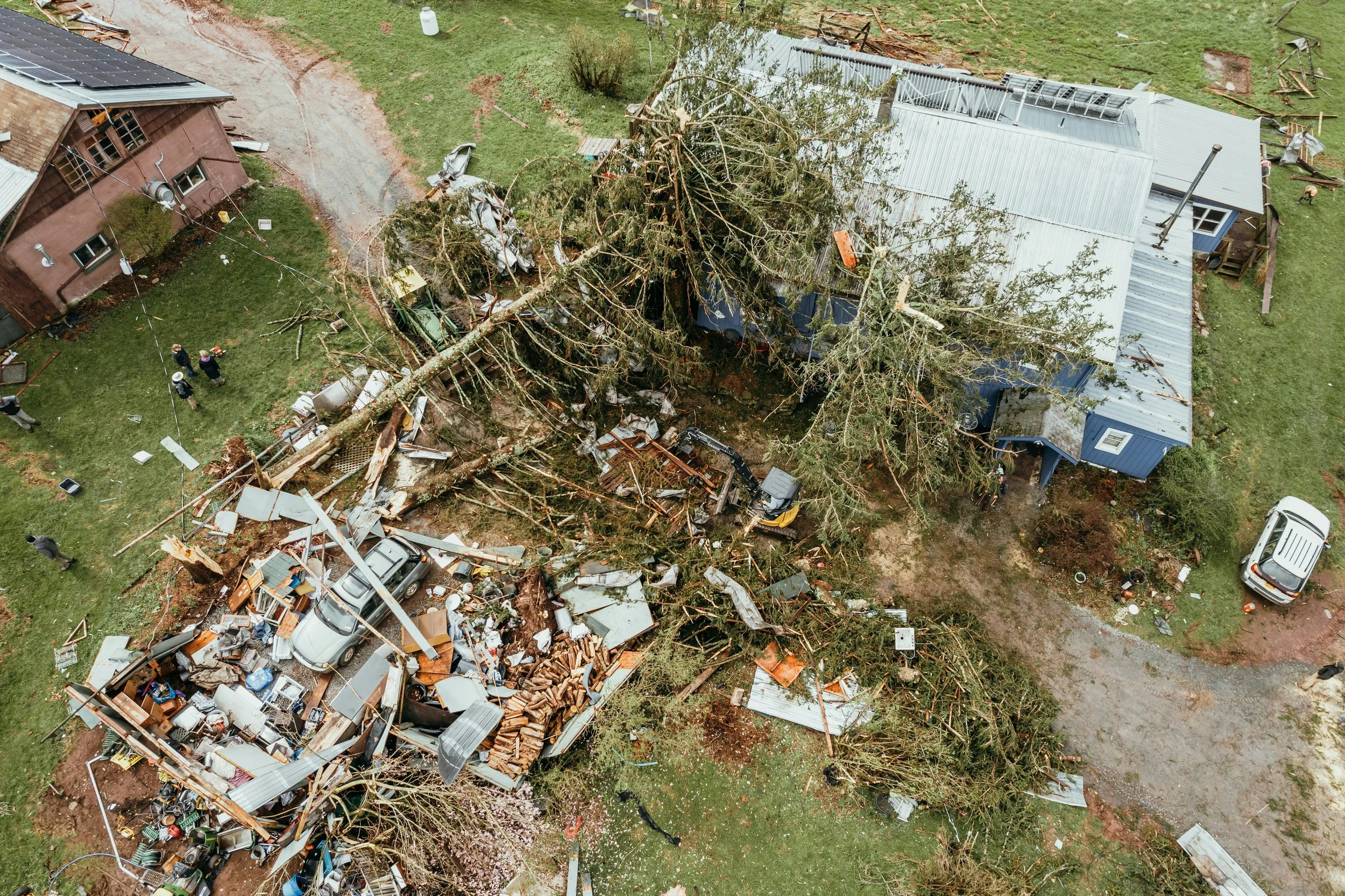
Property damage insurance helps homeowners and business owners protect their financial investments against losses caused by weather, fires, vandalism, or accidents. Understanding key policy terms is essential to maximizing a claim, including Replacement Cost Value (RCV), which pays to replace damaged property with new items of similar quality without depreciation; Actual Cash Value (ACV), which accounts for depreciation based on age and wear; deductibles, which are out-of-pocket costs paid before coverage applies; and coverage limits, which cap the insurer’s total payout. Residential policies generally cover the dwelling, personal property, and additional living expenses, while commercial policies typically include coverage for buildings, business property, and losses from business interruption. Because insurers may undervalue or dispute claims, working with an experienced property damage attorney can help ensure claims are taken seriously and that policyholders receive the full benefits they are entitled to under their coverage.
What to Know
Florida law allows property owners to seek compensation for damages caused by negligence, intentional actions, or natural disasters. Compensation typically covers the lesser of the cost to repair or the reduction in market value, with specific exceptions for unique property or public policy concerns (e.g., environmental contamination).
Key Legal Principles
A property damage claim may be pursued under several legal theories, including negligence, trespass, or theft (also known as conversion). Each theory depends on the specific facts surrounding the damage and the conduct of the responsible party.
To establish negligence, four elements must be proven: the defendant owed a duty of reasonable care, the defendant breached that duty, the breach directly caused the damage, and the plaintiff suffered losses as a result. Florida follows a modified comparative negligence system, which means that if a claimant is found to be more than 50 percent at fault, recovery of damages is barred.
The measure of damages in a property damage case is generally limited to the lesser of the cost to repair or replace the property, or the reduction in its fair market value. However, an exception may apply to items with unique personal or sentimental value. In such cases, recovery beyond strict market value may be permitted if limiting compensation would be considered manifestly unfair.
Florida insurance law also provides special protection under the Valued Policy Law, codified in Florida Statute § 627.702. When real property, such as a building or mobile home, is deemed a total loss due to a covered peril, the insurer is required to pay the full insured value of the property, regardless of its actual market value at the time of loss.
In motor vehicle accidents, Florida operates under a no-fault insurance system. Medical expenses are covered by the injured party’s Personal Injury Protection (PIP) coverage, while property damage is paid through the at-fault driver’s Property Damage Liability (PDL) coverage. Florida law requires drivers to carry a minimum of $10,000 in PDL coverage.
The statute of limitations for filing a property damage lawsuit depends on the nature of the claim. Negligence claims must generally be filed within two years from the date of damage for incidents occurring on or after March 24, 2023. For earlier incidents, a four-year deadline may apply. Insurance claims against one’s own insurer typically have a five-year statute of limitations, although claims involving hurricane or windstorm damage must be filed within three years from the date of loss.
After property damage occurs, several important steps should be taken promptly. The damage should be thoroughly documented with photographs, videos, receipts, and repair estimates. If the incident involves theft, vandalism, or a motor vehicle accident, law enforcement should be notified and a copy of the police report obtained. The insurance company should then be contacted and provided with all relevant documentation.
Finally, it is important to be prepared for negotiation, as insurance companies may initially offer less than the full value of a valid claim. Seeking legal counsel can be beneficial, and an experienced attorney can assist in protecting your rights and pursuing appropriate compensation.
There are many types of property damage that may require filing a claim with an insurance company. In Florida, some of the most common forms of property damage include hurricane damage, flood damage, mold damage, roof damage, and fire damage. Each type of damage presents unique challenges when it comes to insurance coverage and the claims process.
Florida experiences a hurricane season that lasts six months, beginning on June 1 and ending on November 30, although storms can sometimes begin as early as mid-May. Hurricanes can cause extensive property damage through high-speed projectiles such as uprooted trees, vehicles, and other debris. Additional damage may result from storm surges, storm tides, heavy rainfall, flooding, high winds, and tornadoes.
Flood damage is another common concern for Florida property owners. While water damage caused by household incidents such as burst pipes is typically covered by a homeowner’s insurance policy, flood damage is usually excluded. To protect against flooding, property owners must obtain separate coverage through the National Flood Insurance Program, which is managed by the Federal Emergency Management Agency (FEMA). In some cases, landlords or mortgage lenders may require property owners to carry flood insurance. The flood insurance claims process can be complex and frustrating, and policyholders may need legal assistance if their claim is delayed or denied.
Mold damage often develops after flooding, hurricanes, or plumbing failures. Promptly drying out a property is critical to preventing mold growth, as lingering moisture significantly increases the risk. Insurance coverage for mold damage depends largely on its cause. Most insurance policies only cover mold resulting from sudden and accidental events, such as a pipe burst, water heater failure, or dishwasher malfunction. Because coverage is limited, property owners must remain vigilant in identifying leaks or damp areas and take proactive steps to prevent conditions that allow mold to grow.
Roof damage is generally covered by insurance only if it results from a covered event. Damage caused by poor maintenance or normal wear and tear is typically excluded under most homeowner’s insurance policies. However, roof damage caused by sudden and unavoidable events, such as storms or hail, is usually considered a covered loss and may qualify for an insurance claim.
Fire damage is commonly covered under homeowner’s insurance policies, including damage caused by smoke. Coverage often includes cleanup, rebuilding costs, and replacement of personal belongings destroyed in the fire. However, coverage is subject to limitations. Accidental fires, such as those caused by electrical issues or kitchen accidents, are typically covered, while intentionally set fires are excluded. Insurance companies will investigate the cause of a fire to determine whether the loss falls within policy coverage.
When pursuing a property damage claim in Florida, there are several stages in the process. Consulting with an experienced property damage attorney can help ensure that your rights are protected from the outset. Once damage occurs, it is important to thoroughly document the loss by taking photographs or videos, gathering repair estimates or invoices, and creating a detailed inventory of damaged items.
Property owners should notify their insurance company as soon as possible after the damage occurs. This usually involves providing a detailed description of the loss, submitting documentation, and completing claim forms. After the claim is filed, the insurance company will assign an adjuster to investigate the damage, review the provided materials, and possibly inspect the property or request additional information.
The insurance company will then evaluate the claim by reviewing the policy terms, including coverage limits and exclusions, to determine whether the damage is covered. Once this evaluation is complete, the adjuster typically presents a settlement offer. This initial offer may not fully compensate the property owner for their losses, and policyholders have the right to negotiate for a fair and reasonable settlement.
If negotiations are unsuccessful, alternative dispute resolution methods such as mediation or appraisal may be used. Mediation involves a neutral third party assisting both sides in reaching an agreement, while appraisal relies on impartial appraisers to determine the value of the damage. If these methods fail, litigation may become necessary. In that case, the property owner may file a lawsuit, present their case in court, and allow a judge or jury to determine the outcome and appropriate compensation.
The details and timelines of property damage claims can vary based on the circumstances, the insurance policy involved, and the overall complexity of the case.
The value of a Florida property claim varies from case to case and depends on several important factors. Determining fair compensation requires a careful assessment of the extent of the damage and the financial impact it has caused. An attorney evaluating your claim will consider repair or replacement estimates, additional expenses such as temporary housing or storage costs, and any business interruption or loss of use resulting from the damage.
Other factors that influence a claim’s value include depreciation, changes in market value, applicable policy limits, deductibles, and potential legal fees. Because property damage claims can be complex, insurance companies may attempt to minimize or undervalue your losses. Having experienced legal guidance can help ensure your claim is accurately calculated and fairly presented.
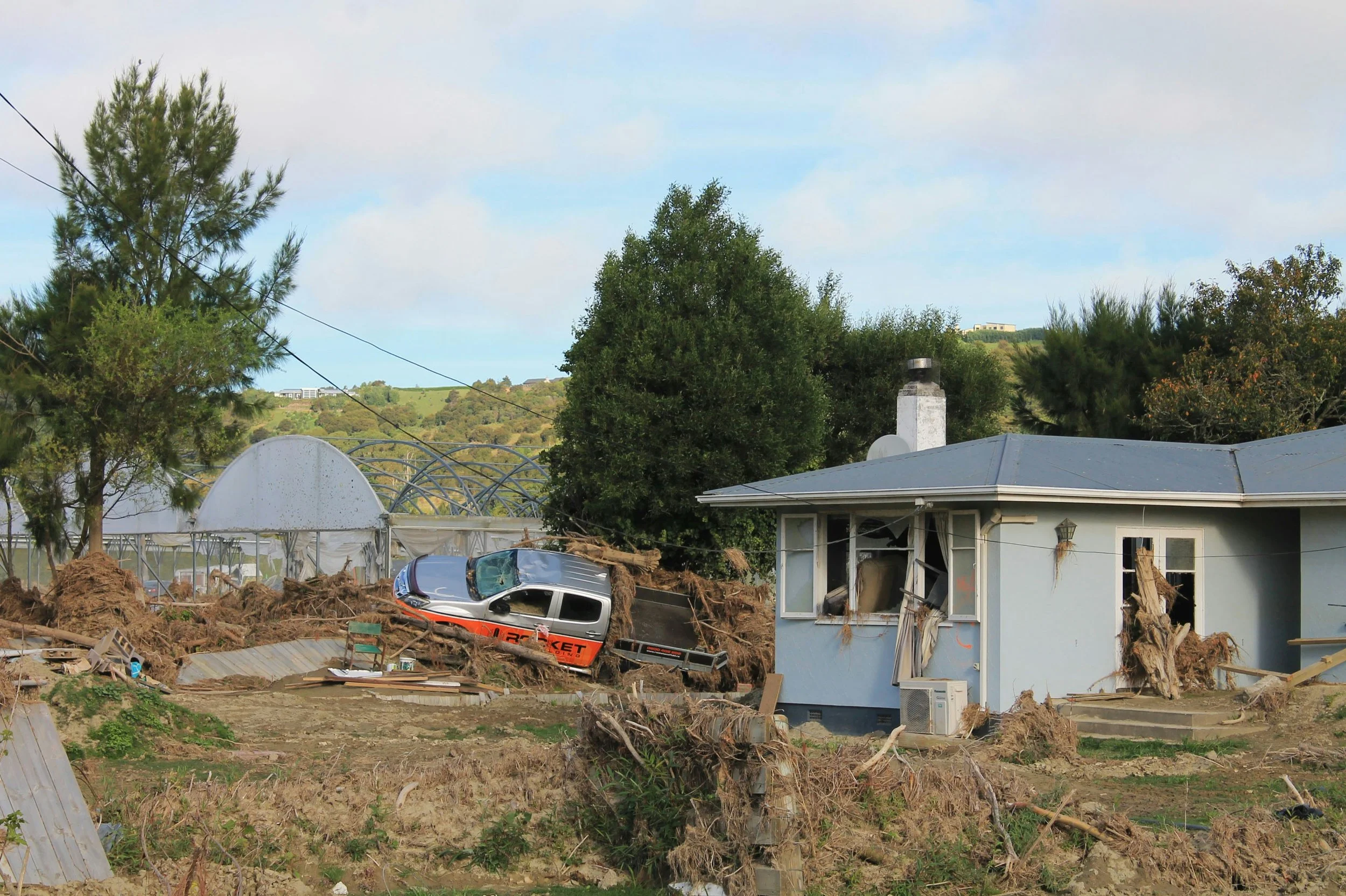
A Florida property claim lawyer provides essential support and representation throughout the claims process. Their role begins with a thorough evaluation of your case, including a detailed review of the property damage, insurance policies, and applicable laws. This allows the attorney to assess the strength of your claim, identify all potential sources of compensation, and develop the most effective legal strategy.
Your attorney will also gather critical evidence to support your claim. This may involve obtaining repair estimates, consulting industry experts, collecting documentation, and conducting investigations to establish liability or negligence. Strong evidence is key to demonstrating the full extent of your damages.
Navigating the insurance process can be overwhelming, but a property claim lawyer will manage all communication and negotiations with the insurance company on your behalf. They will protect your rights, push back against unfair denials or low settlement offers, and advocate for the compensation you deserve.
If a fair settlement cannot be reached through negotiation, your attorney will be prepared to pursue litigation and represent you in court. Throughout the entire process, they will provide guidance, answer your questions, and keep you informed, offering peace of mind during a stressful time.
If you are experiencing difficulties with your property insurance company, experienced Florida property damage attorney Eliot Dempsey can help you fight for the compensation you are entitled to under your policy. Our attorneys are committed to holding insurance companies accountable and ensuring they fulfill their legal and contractual obligations to you.