
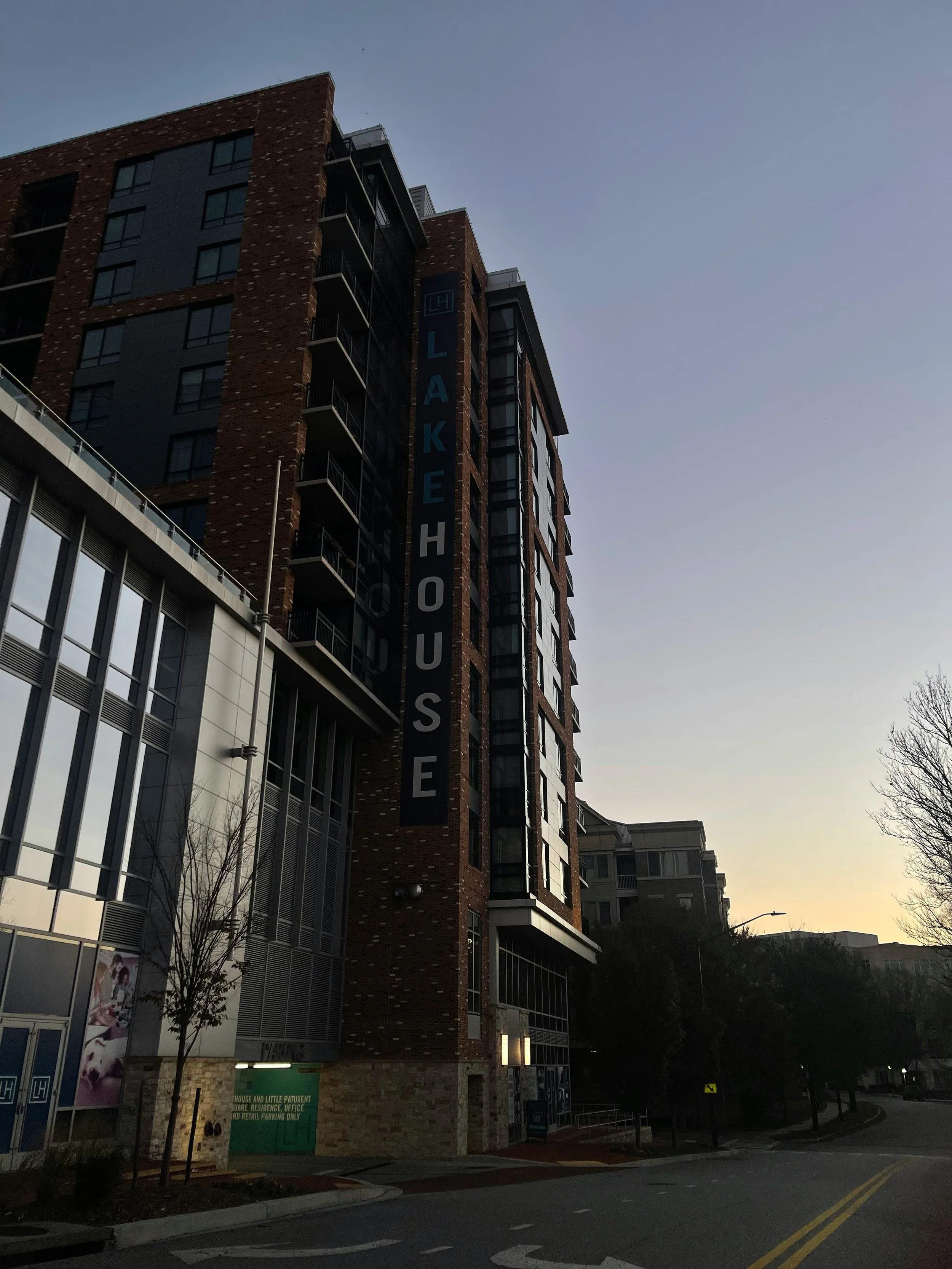
The Florida Building Code (FBC) is the statewide set of regulations that establishes minimum standards for the design, construction, alteration, repair, and maintenance of buildings in Florida. Its primary goal is to ensure public safety, health, and welfare by regulating structural integrity, fire protection, accessibility, energy efficiency, and other aspects of building construction. The FBC applies to all new construction, as well as substantial renovations and additions to existing structures, and it sets uniform requirements across the state while allowing local jurisdictions to adopt amendments as long as they meet or exceed the statewide code.
The code is organized into multiple sections covering areas such as building, residential, plumbing, mechanical, fuel gas, energy, and accessibility. Compliance with the FBC is mandatory for all contractors, architects, engineers, and property owners, and local building departments enforce the code through permitting, inspections, and approvals. The FBC is updated periodically to incorporate advances in building materials, technology, and safety standards, as well as lessons learned from natural disasters like hurricanes. By providing a consistent regulatory framework, the Florida Building Code helps protect residents and property, ensures quality construction, and minimizes risk of structural failures or hazards.