

YOU HAVE RIGHTS!
The Dempsey Law Firm is here to help remedy any confusion you may have dealing with a lease termination, eviction notice, or any other issues encountered with your rental.
Ready to take the next step? Contact us now for a free case evaluation, to schedule a time for you to come to our office, or for us to come to you.
Florida landlord/tenant law, primarily detailed in the Florida Residential Landlord and Tenant Act, establishes the rights and responsibilities of both parties. Key provisions cover lease agreements, security deposits, maintenance obligations, and eviction procedures.
Key Landlord Obligations
Landlords have specific duties to ensure rental housing is safe and habitable. They are required to comply with all applicable building, housing, and health codes. In areas where no codes exist, landlords must still maintain the structural components of the dwelling—such as roofs, floors, windows, and walls—as well as plumbing systems, in good repair and safe working condition.
A landlord’s right to access the rental unit is limited by law. Entry is only permitted with the tenant’s consent, in the event of an emergency, to preserve or protect the premises, or after providing reasonable notice for repairs or inspections. Reasonable notice is generally defined as at least 24 hours prior to entry.
Landlords are strictly prohibited from using “self-help” eviction tactics. They may not shut off utilities or interrupt essential services, even if the landlord pays for those services. They are also prohibited from changing locks, denying a tenant access to the unit, removing doors or locks, or removing the tenant’s personal property. Personal property may only be removed after a lawful eviction carried out by the sheriff or when the tenant has abandoned or surrendered the premises.
Key Tenant Obligations
Tenants also have legal obligations during their tenancy. Rent must be paid on time, according to the date specified in the lease agreement. Tenants are responsible for maintaining the unit in a clean and sanitary condition, properly disposing of garbage, keeping plumbing fixtures clean, and avoiding damage or destruction to any part of the premises.
In addition, tenants and their guests must conduct themselves in a manner that does not unreasonably disturb neighbors or breach the peace. Tenants must also allow lawful access to the unit and may not unreasonably withhold consent when the landlord provides proper notice and has a legitimate reason to enter.
If a landlord fails to meet a material obligation—such as failing to make substantial or necessary repairs—a tenant may have the right to withhold rent. Before doing so, the tenant must provide the landlord with written notice, delivered by mail or hand delivery, describing the noncompliance. The notice must state that the tenant intends to terminate the rental agreement or withhold rent if the landlord does not correct the issue within seven days of receiving the notice.
When rent is withheld, the tenant must set the funds aside. If the landlord files an eviction action, the tenant may be required to deposit the full amount of rent into the court registry while the case is pending.
Eviction Process
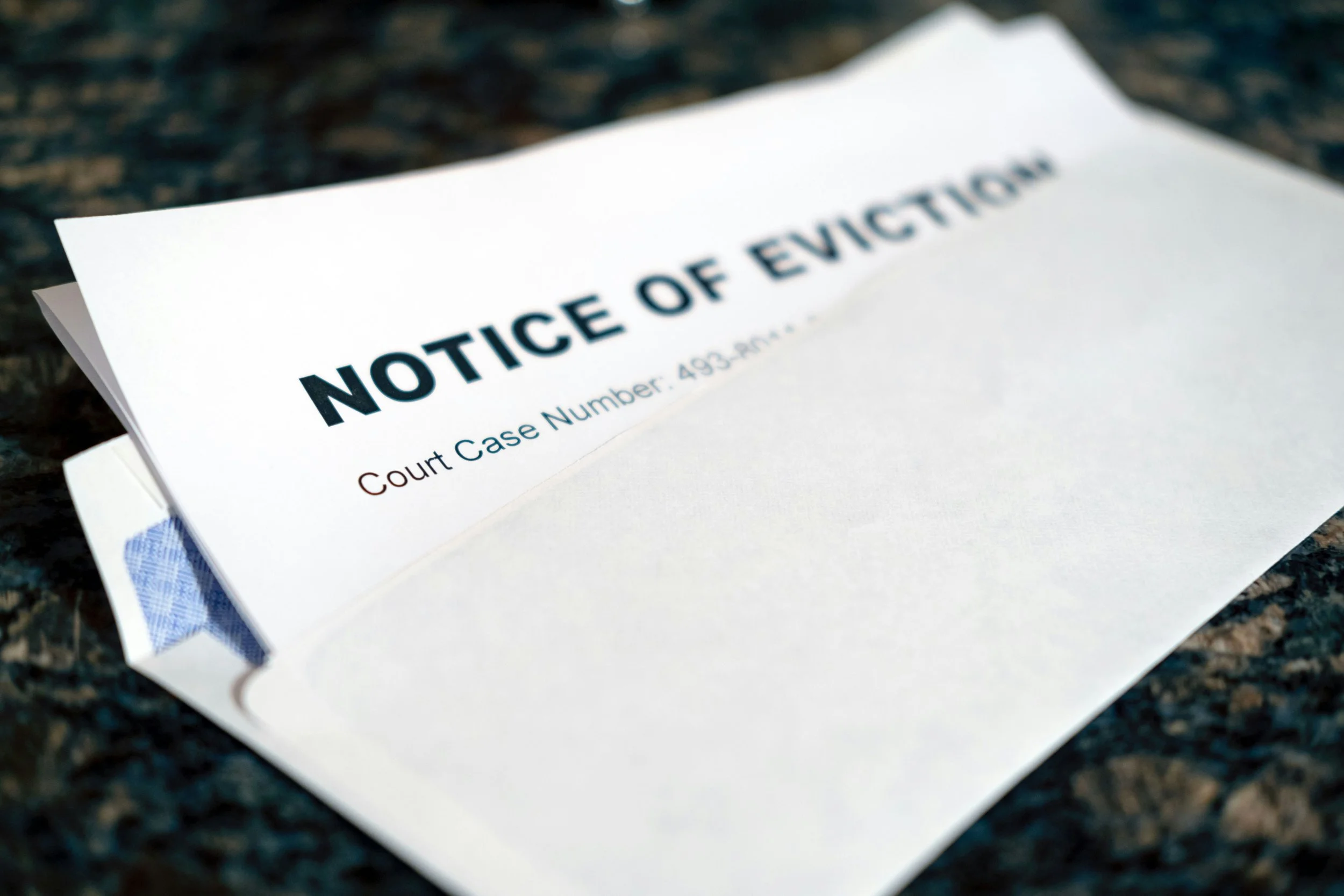
Eviction can only occur through a strict legal process. A landlord may not evict a tenant without a court order and a writ of possession. The process begins with the landlord serving a formal written notice to the tenant.
For nonpayment of rent, the landlord must provide a three-day notice—excluding weekends and legal holidays—demanding payment or possession of the premises. For curable lease violations, the tenant is given a seven-day notice to correct the violation or vacate. For non-curable or repeated serious violations, such as extensive property damage, the landlord may issue an unconditional seven-day notice to vacate.
If the tenant does not comply with the notice, the landlord may file a Complaint for Eviction in county court. The tenant is then served with a summons and has five business days to file a written response with the court. If the landlord prevails, the court issues a Writ of Possession, which the sheriff posts on the tenant’s door, giving the tenant a final 24 hours to vacate the premises.
Florida’s landlord–tenant laws govern access and eviction procedures, ensuring landlords and tenants understand their rights and responsibilities. Landlords may generally enter a rental unit only with reasonable notice and for legitimate purposes, while self-help evictions—like changing locks or shutting off utilities—are illegal. Tenants facing eviction have the right to proper notice, to contest the eviction in court, and to remain in possession until a judge issues a writ of possession. Attorney Eliot Dempsey and the Dempsey Law Firm help clients navigate these rules, protecting tenants’ rights to safe housing and due process while balancing landlords’ rights to protect their property and receive rent.