
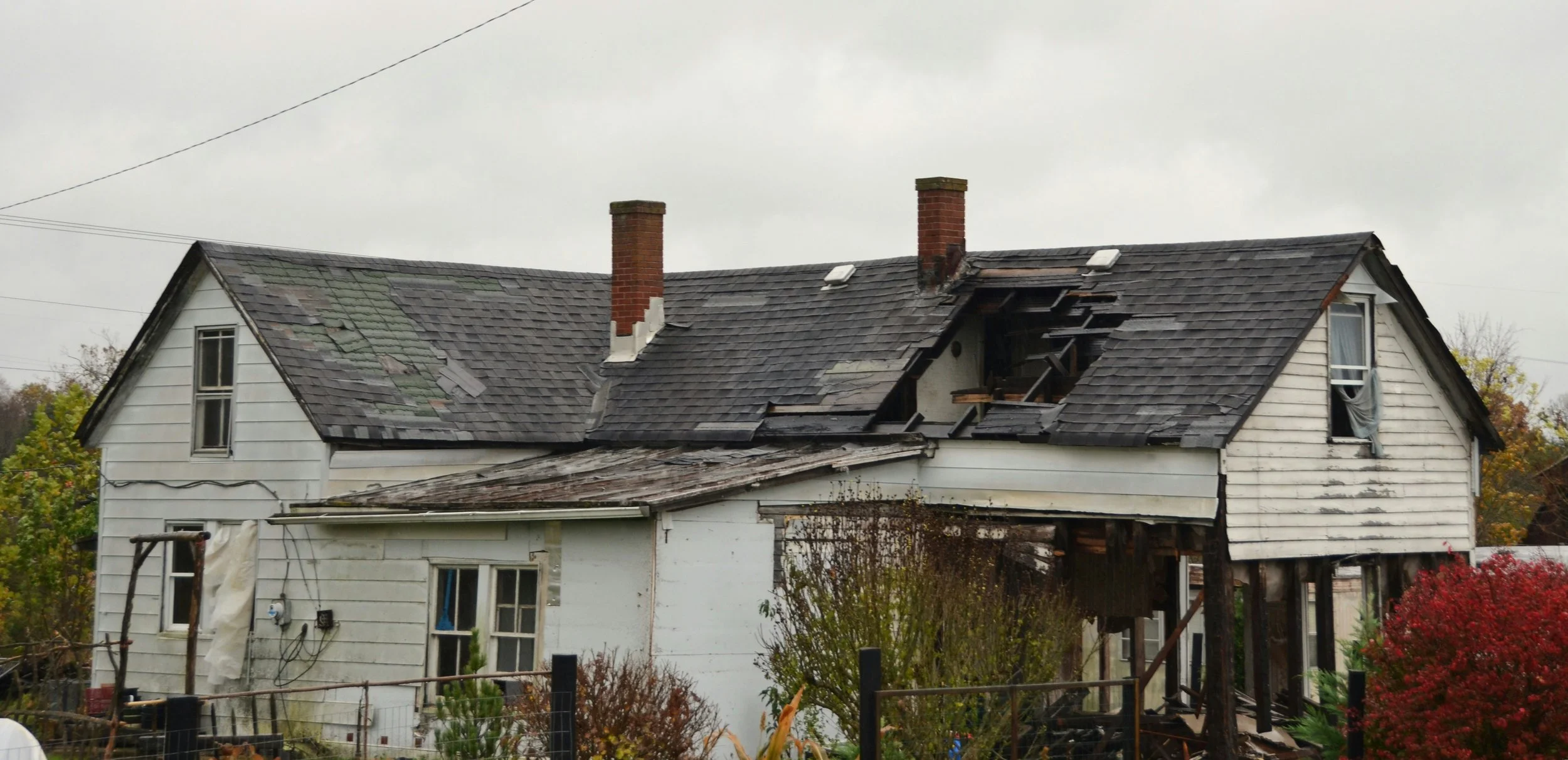
ROOF LEAKS AND HOME INSURANCE
In Florida, homeowners insurance typically covers roof leaks ONLY if they result from a sudden and accidental event, such as a hurricane, windstorm, or a falling tree. Claims are generally denied if the leak is caused by gradual wear and tear, age, or lack of maintenance.
Immediate Mitigation
When your roof starts leaking in Florida, you must act quickly to comply with strict state insurance regulations and deadlines. Make sure to document everything (keep all invoices for emergency repairs; these are often reimbursable as part of your claim). Take photos and videos of the leak source on the roof and all interior damage, including ceiling stains, wet insulation, and damaged flooring. Try to find “before photos” to document how the roof recently looked before damage in order to prove it is a new occurrence.
Hire a professional to install a temporary tarp over the leak source. Before you contact your insurer, schedule an inspection with A LICENSED FLORIDA ROOFING CONTRACTOR. Request a detailed, line-item repair estimate that includes labor, materials, and necessary code compliance upgrades. Make sure your contractor is present when the insurance company’s adjuster visits to ensure all damage is properly identified. In Florida, you generally have one year from the date of the loss to file an initial claim, however, many Florida insurers expect “prompt notice” within 24-72 hours of the discovery.
What Is Covered
Insurance policies typically cover sudden damage that results in leaks, such as those caused by wind-driven rain, hail punctures, or impact from falling objects like tree branches. These events are generally considered accidental and unexpected, which makes them eligible for coverage under most standard policies.
If a covered peril causes the leak, the policy often extends to interior damage as well. This can include damage to ceilings, walls, flooring, and personal belongings affected by the water intrusion. Coverage applies only when the leak is directly tied to a covered event.
Most insurers also cover reasonable preventative measures taken to stop further damage. This may include emergency repairs such as professional tarping or temporary sealing intended to prevent additional water from entering the property.
Key Exclusions
Leaks caused by routine maintenance issues or the natural aging of materials are typically excluded from coverage. Damage resulting from old, worn, or deteriorated shingles, as well as neglected or delayed repairs, is considered the homeowner’s responsibility.
Problems arising from material defects are also excluded. This includes damage caused by manufacturing flaws or improper installation, as insurers generally view these as construction or workmanship issues rather than insurable events.
Flooding is not covered under standard insurance policies. Damage caused by rising water requires a separate flood insurance policy to be eligible for coverage.
Finally, leaks caused by pests such as rodents or insects are usually excluded. These situations are commonly classified as maintenance issues and are not considered covered losses under most policies.
General Information
Roof damage can result from storms, fallen trees, or fires, and repairs can be costly. In many situations, homeowners’ insurance should cover these damages. However, dealing with an insurance company to obtain the funds needed for roof repair or replacement is often stressful and frustrating. Delays in making necessary repairs can worsen the damage, making it critical to act quickly rather than struggle through the claims process alone.
The roof damage insurance claim attorneys at The Dempsey Law Firm assist clients throughout the insurance claim process. They help policyholders understand their insurance coverage, including relevant provisions and limitations, while aggressively pursuing claims and protecting clients’ interests when dealing with insurance companies.
Insurance companies are businesses that often seek to limit the number and value of claims they pay. As a result, an insurer may attempt to reduce the value of a roof damage claim or deny it entirely. Although homeowners pay premiums in exchange for coverage, these internal limitations can significantly affect the outcome of a claim.
The Dempsey Law Firm works closely with clients to properly document roof damage and demonstrate its severity. The firm collaborates with experienced roofing professionals who provide detailed damage assessments and repair estimates. Attorneys also analyze insurance policies and gather evidence to show that the cause of the roof damage qualifies as a covered event. In addition, they evaluate related damages and negotiate with insurers to pursue a fair settlement.
Several factors may affect a roof damage claim. An insurer may deny coverage if it determines the damage resulted from poor maintenance, if the claim was not filed within the required timeframe, or if the homeowner failed to take reasonable steps to prevent further damage, such as installing tarps to stop leaks.
If you have a damaged roof and questions about your insurance coverage, legal guidance can help you understand your options and protect your rights.