
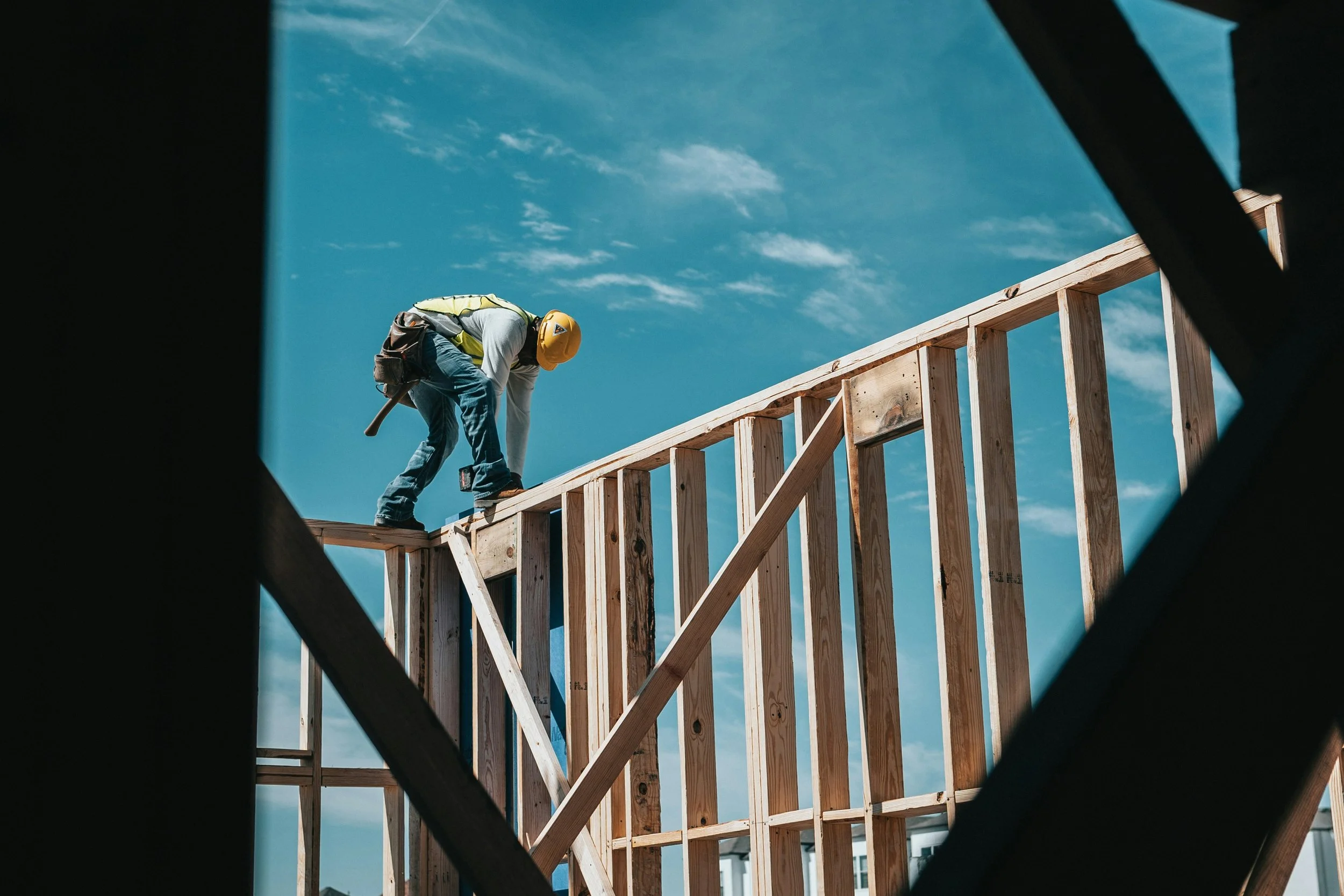
Florida's construction industry is one of the largest and most active in the country — and with that activity comes an enormous volume of construction disputes. Whether you're a homeowner dealing with a contractor who abandoned your project, a contractor owed money for completed work, or a property owner facing construction defects, The Dempsey Law Firm provides experienced Florida construction law representation.
Construction Law Practice Areas
Attorney Eliot Dempsey handles all aspects of Florida construction law, including: • Construction Defects (Chapter 558) — Guiding homeowners and contractors through Florida's mandatory pre-suit notice process for defect claims • Florida Construction Lien Law (Chapter 713) — Filing and enforcing mechanic's liens for unpaid contractors; defending homeowners against improper liens • Construction Contracts — Drafting, reviewing, and litigating residential and commercial construction agreements • Construction Default and Abandonment — Recovering damages when a contractor walks off a project • Construction Arbitration — Representing clients in mandatory and voluntary arbitration proceedings • Florida Building Code Violations — Pursuing and defending claims based on building code non-compliance
Florida's Chapter 558 — The Required First Step
Before any construction defect lawsuit can be filed in Florida, the property owner must follow the Chapter 558 pre-suit process — providing written notice of the alleged defect to the responsible party, who then has the opportunity to inspect, respond, and offer a repair or monetary settlement. Failing to comply with this process can result in your lawsuit being dismissed. Attorney Dempsey guides clients through Chapter 558 efficiently, ensuring all statutory requirements are met.
Florida Construction Lien Law — Protecting Contractors and Owners
Under Chapter 713 of the Florida Statutes, unpaid contractors, subcontractors, and suppliers have the right to place a lien on the property where their work was performed. These liens can cloud title and even lead to foreclosure if unpaid. The notice and deadline requirements for construction liens are strict and unforgiving — a missed deadline can destroy an otherwise valid claim. Our firm represents both contractors seeking to enforce their lien rights and property owners seeking to discharge improper liens.
Statewide Representation
The Dempsey Law Firm handles construction law matters throughout Florida, from Miami-Dade and Broward Counties to Tampa, Orlando, Jacksonville, and beyond. Contact us today for a free consultation at (305) 320-1141.
FAQ SECTION - CONSTRUCTION LAW
What is Chapter 558 and how does it apply to construction defects in Florida?
Chapter 558 of the Florida Statutes establishes a mandatory pre-suit process for construction defect claims. Before filing a lawsuit, a property owner must serve written notice of the alleged defect on the contractor, subcontractor, or supplier. The responsible party then has a set period to inspect the property and respond — either offering to repair, offering monetary compensation, or disputing the claim. This process is designed to resolve disputes without litigation. Failing to comply with Chapter 558 can result in your lawsuit being dismissed. An attorney experienced in Florida construction law can guide you through this process properly.
How does Florida's Construction Lien Law work?
Under Florida's Construction Lien Law (Chapter 713), contractors, subcontractors, laborers, and material suppliers who are not paid for work performed on a property may place a lien on that property. Property owners can protect themselves by obtaining a contractor's affidavit and releases before making final payment. If a lien is filed, it must be enforced by filing a lawsuit within one year. Mechanics' and construction liens are highly technical — deadlines and notice requirements are strict, and missing one can void a valid claim. Both homeowners and contractors benefit from having an attorney involved early.
Can I sue a contractor for defective work in Florida?
Yes. Florida homeowners and property owners can sue a contractor for defective construction work under theories including breach of contract, negligence, and violation of the Florida Building Code. However, before filing suit, you must first go through the Chapter 558 pre-suit notice process. The statute of limitations for construction defect claims in Florida is generally four years from when the defect was discovered (or should have been discovered), with an absolute outer limit of ten years. Acting quickly is important to preserve evidence and meet legal deadlines.
What is construction arbitration and is it required?
Construction arbitration is an alternative dispute resolution process where a neutral third party (the arbitrator) hears both sides and issues a binding decision — outside of court. Many construction contracts in Florida contain mandatory arbitration clauses, which means you may be required to arbitrate rather than sue in court. It's important to have your construction contract reviewed by an attorney before signing, and to have legal representation during arbitration proceedings to protect your interests. Arbitration can be faster and less expensive than litigation, but it also limits your right to appeal.
What should I do if a contractor abandoned my project in Florida?
If a contractor abandons your project, you should first document the state of the work thoroughly — photographs, videos, and a written record of the timeline. Review your contract for abandonment clauses and notice requirements. You may be entitled to claim the cost of completion, any overpayments made, and damages resulting from the delay. You should also check whether the contractor is licensed through the Florida Department of Business and Professional Regulation (DBPR) — if so, you may be able to file a complaint. An attorney can help you determine the best path forward, whether that's negotiation, a lien claim, or litigation.
How The Dempsey Law Firm Firm Can Help
Working with a competent and experienced attorney is the best starting point to ensure the law is followed and submitted correctly. Failure to follow Chapter 558 requirements can result in delayed or dismissed claims, waived rights, or increased liability.
Construction defects can lead to catastrophic consequences, both in terms of safety and financial ruin. The best way to avoid unwanted outcomes is to identify the problem early, document and seek legal guidance to ensure the situation is resolved in an appropriate manner.
It doesn’t matter if you’re a contractor receiving a Chapter 558 notice or a property owner dealing with construction defects, The Dempsey Law Firm is here to help you navigate the complexities of Florida law. Understanding your rights and obligations is an important step to protect your investment.
Contact us today to see how we can assist in turning your disaster into a new beginning.
Construction Defects
In Florida law, a construction defect under Chapter 558 refers to flaws in design, materials, or workmanship, including errors in planning, supervision, specifications, or construction, leading to failures to meet accepted trade standards, resulting in damage or unsafe conditions, like water intrusion or structural issues. These aren't just minor flaws; they're deficiencies in the building process that impact the property's safety, functionality, or value, triggering specific pre-suit notice requirements before a lawsuit can be filed.

Chapter 558 is Florida’s framework for homeowners and businesses to address faulty construction by making sure contractors are notified and given a chance to fix issues before legal action can escalate.
How to Begin the Process
Once a construction problem is discovered, there are specific steps that must be followed to pursue a resolution and achieve satisfaction. Florida law outlines a structured pre-suit process designed to give all parties an opportunity to address alleged defects before litigation begins.
First, the property owner is required to provide the contractor or builder with a pre-suit notice. This notice must be given at least 60 days before filing a lawsuit and must describe the alleged construction defects in reasonable detail. This step is mandatory and serves as an opportunity for the contractor to evaluate and potentially resolve the issue.
After receiving the notice, the contractor has 30 days to inspect the property. Following the inspection, the contractor then has 45 days to respond. The response may include an offer to repair the defect, a proposal for a monetary settlement, or a formal dispute of the claim.
Throughout this process, documentation is critical. Both parties are required to exchange relevant materials upon request, including construction plans, photographs, expert reports, and any other documentation related to the alleged defects. Proper documentation helps ensure transparency and supports each party’s position.
Common Construction Defects Covered Under Chapter 558
Chapter 558 commonly applies to a wide range of construction defects. One of the most frequent issues involves water intrusion and leaks, particularly through roofs, windows, doors, or walls. These defects can lead to significant property damage if not properly addressed.
Other common defects include material defects, where faulty or substandard products are used, and foundation issues, such as cracks, settling, or structural instability. Window and door defects are also prevalent, often resulting from improper installation or defective products that cause water intrusion or energy inefficiency.
Additional covered issues include HVAC and plumbing malfunctions stemming from installation errors or defective components, as well as broader structural defects affecting the building’s framework or load-bearing elements. Code violations, involving failure to comply with the Florida Building Code, are also included, along with design and planning flaws, such as deficiencies in initial plans, specifications, or construction supervision.