
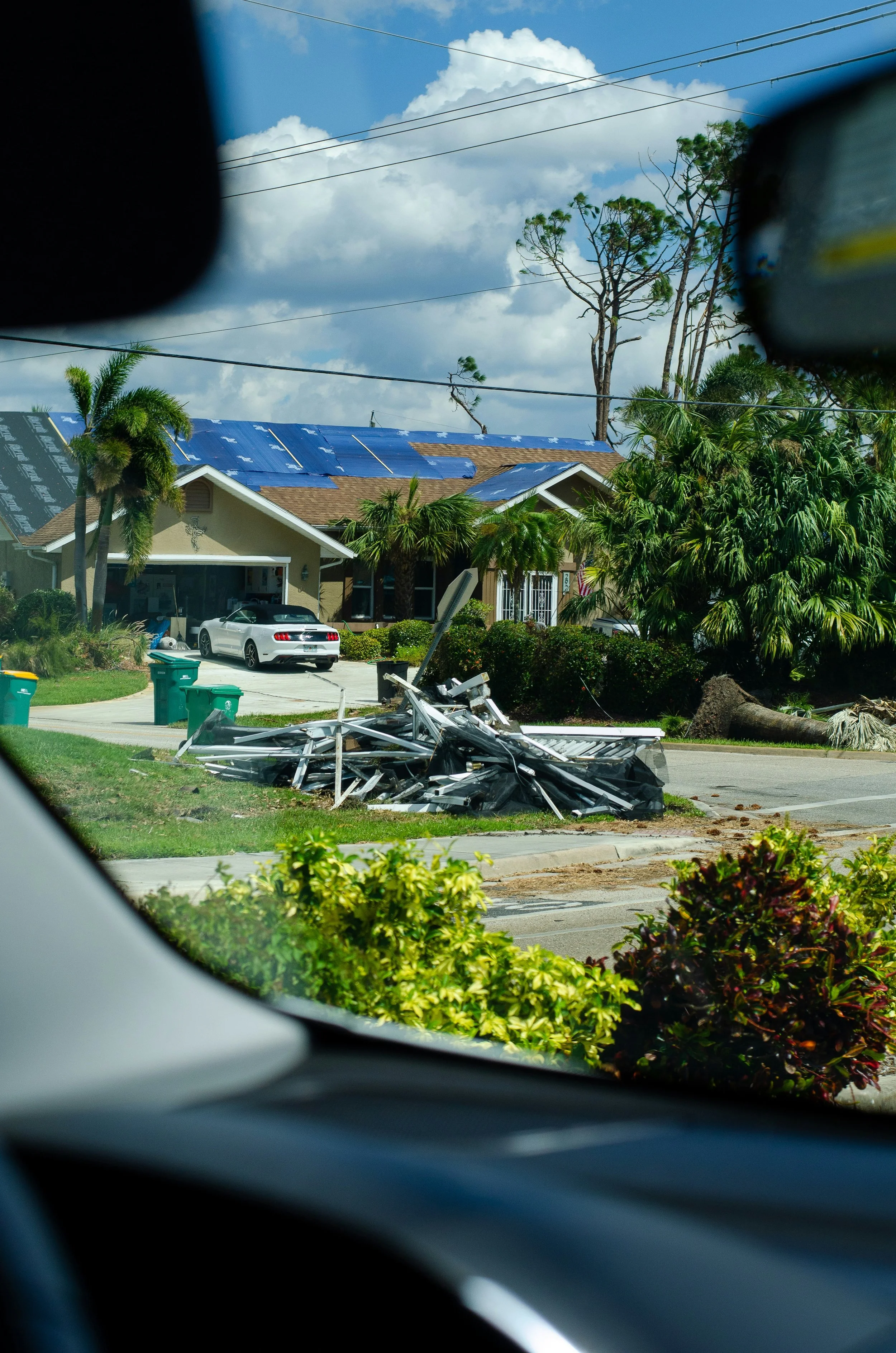
Getting a denial letter from your homeowners insurance company after a major loss — a hurricane, a roof leak, a burst pipe — is devastating. You've paid your premiums faithfully, and now the company you counted on is telling you they won't cover the damage. If this has happened to you in Florida, here is what you need to know about your options.
First: Request a Written Explanation
Florida law requires insurance companies to provide a written explanation for every claim denial. If you haven't received one, request it immediately in writing. The denial letter should cite the specific policy provision the insurer is relying on to deny your claim. This document is the starting point for any challenge. Prior to filing a lawsuit, Florida law requires that at least ten (10) days before suit is filing that you provide the insurer with a Notice of Intent to Initiate Litigation. This gives the insurer once more chance to either reconsider their denial or underpayment, or standy by the decision.
Review Your Policy Carefully
Before accepting the denial, read your policy. Pay close attention to:
• The declarations page (your covered perils and limits)
• Exclusions — particularly the wind vs. flood distinction, which is a constant source of dispute in Florida
• Your policy's appraisal clause
• Your hurricane or windstorm deductible (often separate and higher than your standard deductible)
Insurance policies are dense and often confusing by design. Many legitimate claims are denied based on misreadings or misapplications of policy language. An attorney can evaluate whether the denial is legally supportable.
Option 1: The Appraisal Process Most Florida homeowners insurance policies include an appraisal clause — a mechanism for resolving disputes over the amount of a loss. If you and your insurer disagree on how much the damage is worth (not whether it's covered, but how much), you can invoke the appraisal process. Each side hires their own appraiser, and the two appraisers select a neutral umpire. The umpire's decision is binding. This process doesn't require an attorney, but having one can help ensure the process is initiated correctly and that the appraisers are genuinely independent.
Option 2: File a Complaint with the Florida DFS The Florida Department of Financial Services (DFS) regulates insurance companies operating in the state. If you believe your insurer acted improperly, you can file a complaint online at myfloridacfo.com. The DFS will contact your insurer and request a response. While this doesn't guarantee a resolution, it creates an official record and sometimes prompts insurers to reconsider.
Option 3: Mediation The Florida DFS also offers a mediation program for disputed residential property insurance claims. The process is voluntary, confidential, and relatively quick — a neutral mediator helps facilitate a settlement. This can be a good option when the insurer hasn't outright denied coverage but is offering far less than the damage is worth.
Option 4: File a Lawsuit for Breach of Contract Once the Notice of Intent to Initiate Litigation has been filed with the Florida Department of Financial Services, and you have received their response, so long as at least 10 days have passed you can file suit for breach of contract to seek the insurance benefits due to you under your insurance policy.
Option 5: Bad Faith Lawsuit Under Florida Statute §624.155 If your insurer has denied a clearly covered claim, made unreasonably low settlement offers without basis, or failed to conduct a proper investigation, it may have engaged in insurance bad faith. Florida Statute §624.155 allows policyholders to sue insurers for bad faith practices. Before filing, you must serve a Civil Remedy Notice (CRN) on the insurer and the DFS, giving the insurer 60 days to cure the violation. Bad faith claims can result in damages beyond the policy limits. These are complex cases that require experienced legal counsel.
Don't Wait — Deadlines Apply Florida's statute of limitations for property insurance claims is generally three years from the date of loss for first-party claims. Don't let time run out on a valid claim. The sooner you involve an attorney, the better positioned you are to preserve evidence and build a strong case.
The Dempsey Law Firm — Florida Property Insurance Attorneys
Attorney Eliot Dempsey represents homeowners and commercial property owners throughout Florida in insurance disputes. We review your denial letter and policy for free, and we handle property insurance cases on a contingency basis — no fee unless we recover on your behalf. Call (305) 320-1141 or email eliot@thedempseylaw.com.