
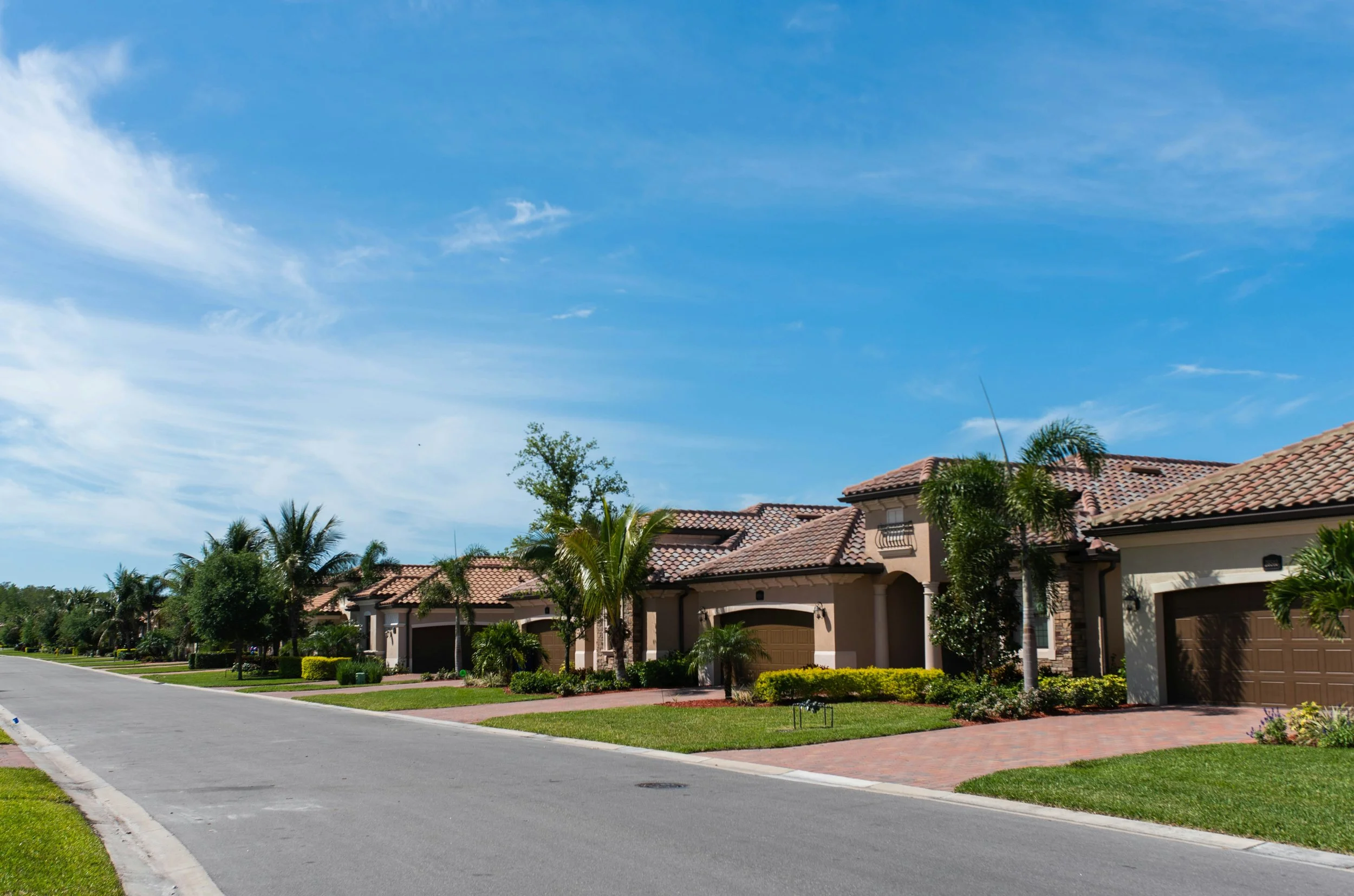
Florida has one of the highest concentrations of homeowners associations (HOAs) in the United States, and disputes between homeowners and their associations are extraordinarily common. Whether you're facing unfair fines, selective rule enforcement, denial of architectural requests, or a more serious dispute involving records access or HOA foreclosure, The Dempsey Law Firm is here to protect your rights.
Common HOA Disputes We Handle
Attorney Eliot Dempsey represents both homeowners and associations in a wide range of disputes, including:
• Fines and Violation Notices — Challenging improperly imposed fines or discriminatory enforcement
• HOA Mediation Representation — Representing clients in Florida's mandatory pre-suit mediation and arbitration process
• Records Access — Compelling HOAs to comply with Chapter 720 record inspection requirements
• Rule Enforcement and Architectural Disputes — Challenging arbitrary or inconsistent decisions by the board
• HOA Foreclosure Defense — Protecting homeowners when an HOA threatens foreclosure for unpaid assessments • Board Election Disputes — Challenging improper elections or board misconduct
• Covenant and Restriction Disputes — Interpreting and enforcing the HOA's governing documents
Your Rights Under Florida's HOA Act (Chapter 720)
Florida's Homeowners' Association Act gives homeowners meaningful rights that many don't know they have. You have the right to:
• Inspect and copy the association's official records within 10 business days of a written request
• Attend and speak at board meetings and annual meetings
• Have fines reviewed by a committee of non-board-member residents before they are imposed
• Enforce the HOA's own rules and declarations against the board
• Vote on significant changes to the association's governing documents When an HOA board oversteps its authority, acts in bad faith, or refuses to follow its own rules, legal action is often the only effective remedy.
The Dispute Resolution Process in Florida
Many HOA disputes in Florida require mandatory pre-suit mediation or arbitration before a lawsuit can be filed. The Florida Division of Condominiums, Timeshares, and Mobile Homes administers an arbitration program for certain types of HOA disputes. Having an experienced attorney at the mediation or arbitration table is essential — the HOA will almost certainly have legal representation.
The Dempsey Law Firm serves homeowners and associations throughout South Florida, including Miami-Dade, Broward, and Palm Beach Counties. Call (305) 320-1141 for a free consultation.
FAQ SECTION - HOA DISPUTES
Can I dispute an HOA fine or violation in Florida?
Yes. Florida Statute §720.305 gives homeowners the right to dispute HOA fines and violations before a committee of non-board member residents. The HOA must provide written notice and an opportunity to be heard before any fine exceeding $1,000 can be imposed. If the committee does not approve the fine, it cannot be imposed. For larger disputes involving rule enforcement, architectural decisions, or access to records, homeowners may also pursue arbitration through the Florida Division of Condominiums, Timeshares, and Mobile Homes, or file suit in circuit court. An attorney can help you understand which process applies to your situation.
What rights do Florida homeowners have against their HOA?
Florida's Homeowners' Association Act (Chapter 720) gives homeowners numerous rights, including the right to inspect association records, attend board meetings, speak at meetings, vote on major decisions, dispute fines through a hearing process, and enforce the HOA's own rules against the board. HOAs in Florida are required to hold annual elections, maintain adequate reserves, and follow their own governing documents. Boards that act outside their authority, selectively enforce rules, or retaliate against homeowners may be held accountable through arbitration or litigation.
Can an HOA foreclose on my home in Florida?
Yes — this surprises many Florida homeowners, but HOAs do have the right to place a lien on your property for unpaid assessments and, in some cases, to foreclose on that lien. Florida law requires the HOA to follow specific procedures before initiating foreclosure, including providing notice and allowing an opportunity to pay. However, if you receive notice of a lien or foreclosure action from your HOA, you should contact an attorney immediately. There may be defenses available, including improper notice, procedural errors, or errors in the amount claimed.
What is HOA mediation and when is it required?
For disputes between homeowners and their HOA in Florida, mandatory pre-suit mediation may be required before you can file a lawsuit, depending on the nature of the dispute. The Florida Division of Condominiums, Timeshares, and Mobile Homes offers a mandatory non-binding arbitration program for certain types of disputes. Mediation is a voluntary, confidential process in which a neutral third party helps both sides reach a settlement. Having an attorney represent you during HOA mediation significantly improves your outcome — the HOA will almost certainly have legal counsel present.
How do I get access to my HOA's financial records in Florida?
Under Florida Statute §720.303, HOA members have the right to inspect and copy the association's official records, which include financial records, meeting minutes, contracts, and governing documents. You must submit a written request, and the HOA must make records available within 10 business days. If the HOA fails to comply, it may be liable for actual damages and attorney's fees. If you suspect financial mismanagement or misappropriation of funds, consulting with an attorney is strongly advisable before taking further action.
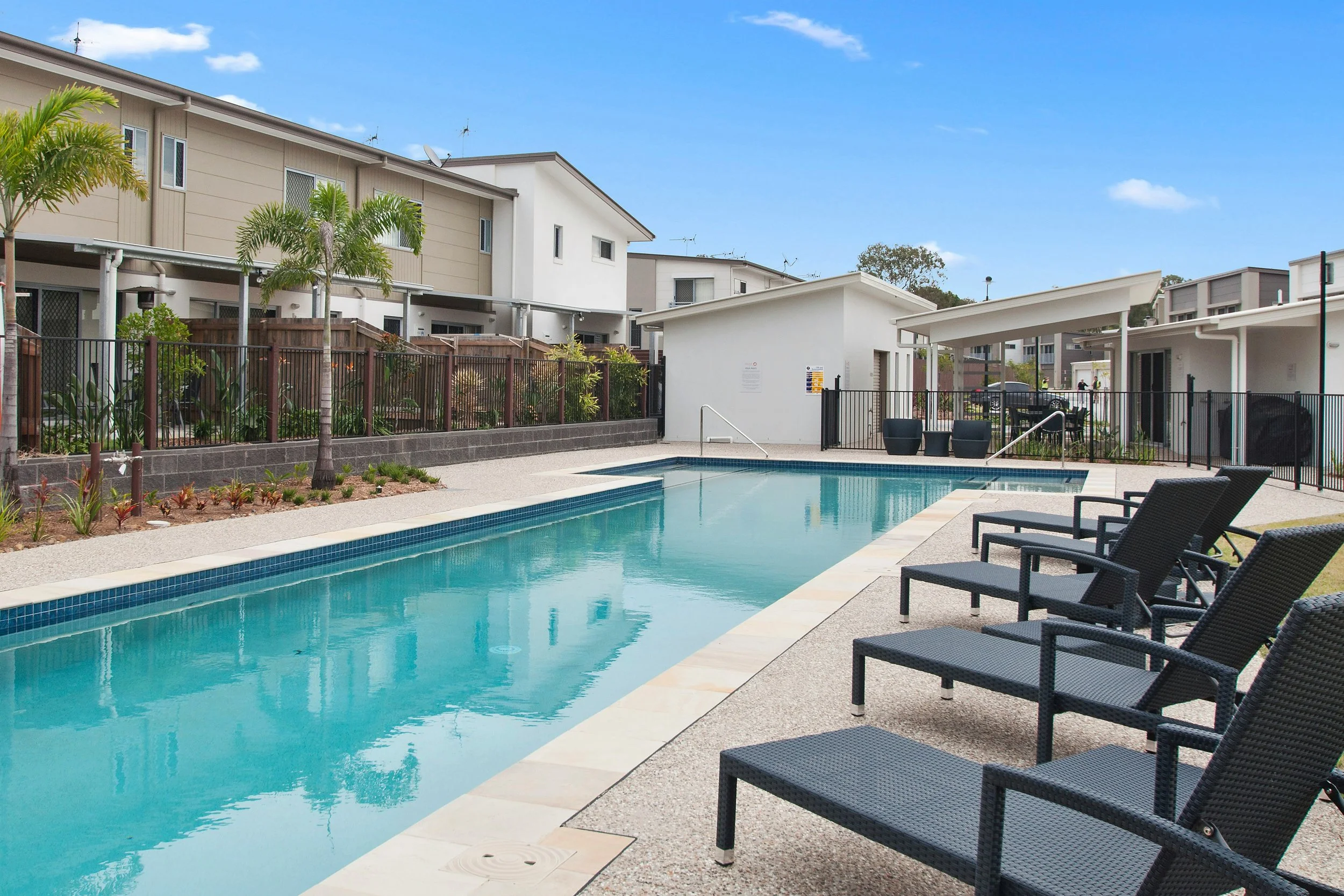
Homeowners Associations (HOAs) in Florida are private organizations governing residential communities to protect property values and community standards. HOAs are for maintaining shared areas (pools, parks, streets) and enforcing rules (landscaping, parking, pets) through elected boards funded by mandatory homeowner fees.
Florida HOA laws, primarily under Florida Statutes Chapter 720, govern homeowners' associations (HOAs) and covers a wide range of topics including association powers, member rights, board responsibilities, financial reporting, dispute resolution, and association records.
Well run HOAs are vital to maintaining and increasing property values and community connections. HOAs create a structured environment with rules to prevent eyesores and nuisance issues. When an HOA neglects its duties, property values decline and unsafe conditions and community deterioration follow.
COMMON HOMEOWNERS ASSOCIATION ISSUES IN FLORIDA
Common homeowners association (HOA) issues in Florida often stem from recurring disputes and management challenges. One frequent problem involves parking violations, such as unauthorized vehicles, recreational vehicles, commercial trucks, or general parking disorder within the community. These situations can lead to frustration among residents when rules are ignored or inconsistently enforced.
Another major concern is property maintenance failures. This includes overgrown lawns, poorly maintained common areas such as pools and landscaping, as well as ongoing pest problems and mold issues. When these areas are neglected, they can negatively impact property values and residents’ quality of life.
Architectural control disputes are also common within Florida HOAs. Homeowners often clash with boards over approvals related to sheds, fences, solar panels, paint colors, and even holiday decorations. These disagreements frequently arise from unclear guidelines or rigid enforcement of aesthetic standards.
Noise and nuisance complaints further contribute to HOA conflicts. Loud parties, excessive construction noise, disruptive pets, and other disturbances can strain neighbor relationships, especially when complaints are not addressed promptly or fairly.
A lack of communication and transparency from HOA boards is another significant issue. Problems arise when boards fail to share financial records, provide updates, or clearly explain decisions. This can lead to mistrust and dissatisfaction among homeowners.
Unfair or inconsistent rule enforcement is closely related and often exacerbates tensions. When rules are applied selectively or arbitrarily, homeowners may feel targeted or treated unequally, creating resentment within the community.
Short-term rental restrictions have become an increasingly contentious topic. Many Florida HOAs debate whether to ban or limit rentals such as Airbnb, balancing homeowners’ property rights against concerns about noise, security, and community stability.
Board mismanagement is a broader issue that underlies many HOA disputes. This can include misuse of association funds, failure to maintain community standards, or breaches of fiduciary duty owed to the homeowners.g
In addition to these issues, HOA boards face ongoing challenges that can easily lead to conflict within a community. Boards must carefully balance the diverse interests and expectations of residents while responsibly managing the association’s finances, including regular dues, special assessments, and annual budgets. At the same time, they are required to comply with Florida’s complex and constantly evolving HOA laws—an area where even well-intentioned boards can struggle without experienced legal guidance. Attorney Eliot Dempsey and The Dempsey Law Firm provide knowledgeable counsel to HOA boards and community members alike, helping them navigate these challenges, remain compliant with Florida law, and work toward practical, effective resolutions.
HOAs are obligated to ensure all common areas are well maintained and safe. This means roads, landscaping, recreational facilities, and shared building components must meet the expectations of the community. When general neglect sets in, property values plummet.
If your HOA fails in its duties to repair common areas causing safety hazards and general unpleasantness, contact us today. At The Dempsey Law Firm, we are here to hold HOAs accountable and ensure maintenance obligations are upheld.